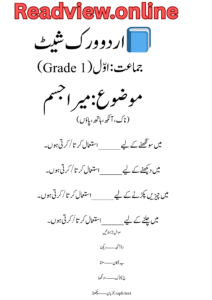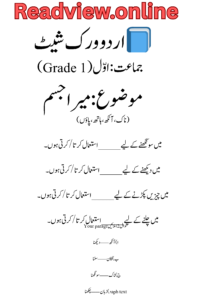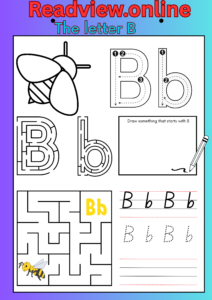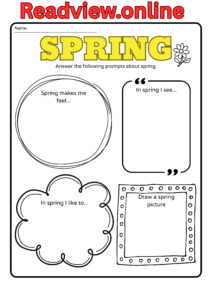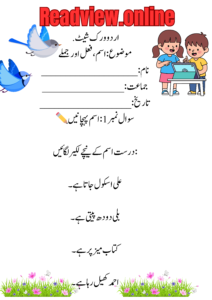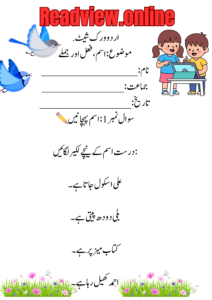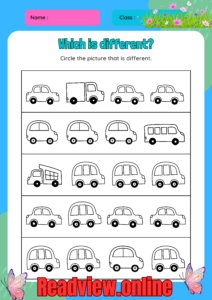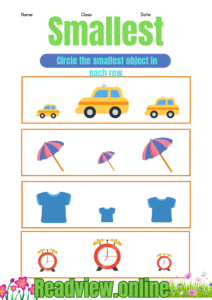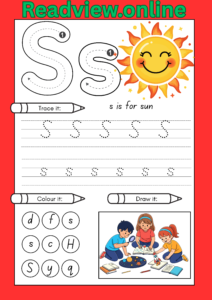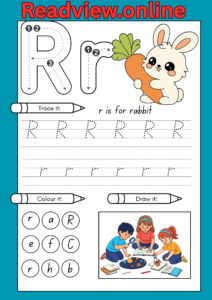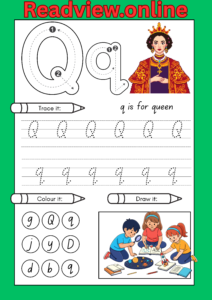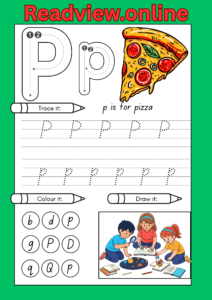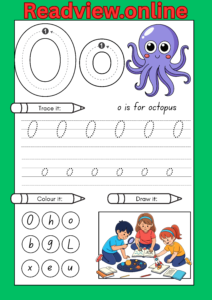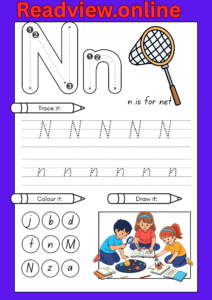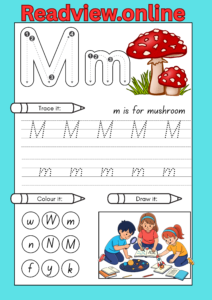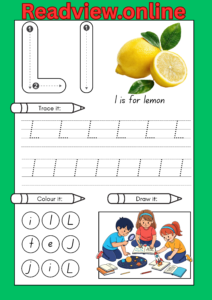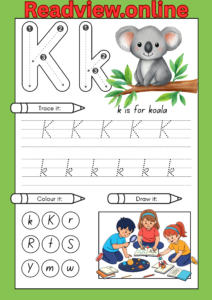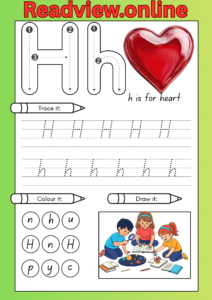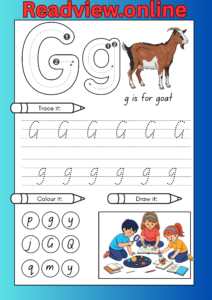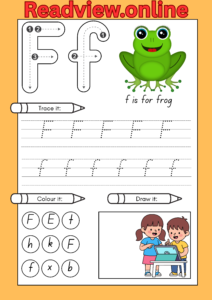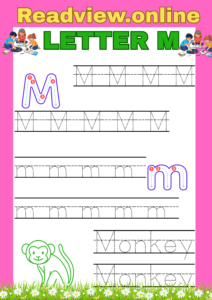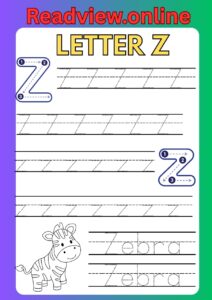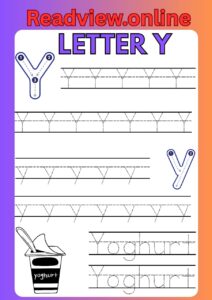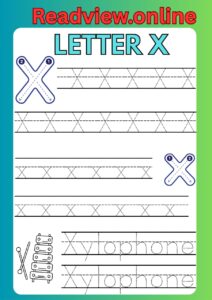
Urdu Worksheet for Kids – A Fun and Educational Learning Tool
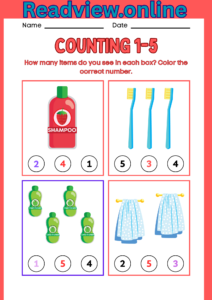
Early childhood education is all about building a strong foundation in language, literacy, and comprehension skills. One of the most effective ways to support young learners is through worksheets. Urdu Worksheets for Kids are designed to make learning Urdu enjoyable, interactive, and educational. These worksheets help children recognize letters, form words, read sentences, and strengthen their writing skills, all while having fun.
Thank you for reading this post, don't forget to subscribe!Learning Urdu at an early age not only improves communication skills but also connects children with their culture and heritage. Worksheets provide structured practice, allowing children to develop confidence in reading, writing, and vocabulary. With regular use, children can easily memorize letters, words, and phrases while enjoying the learning process.
Why Urdu Worksheets Are Important for Kids
Urdu worksheets offer a wide range of benefits for early learners:
1. Letter Recognition
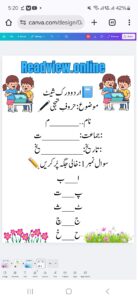
Worksheets help children identify and differentiate between Urdu letters, both in their isolated forms and when used in words. Letters like Alif (ا), Bay (ب), and Pay (پ) form the building blocks of reading and writing in Urdu.
2. Vocabulary Development
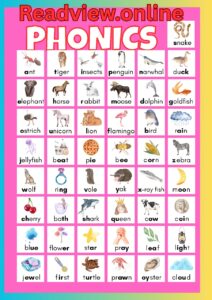
By including images and corresponding words, worksheets help children learn new vocabulary. For example, linking سیب (Apple), کتاب (Book), and قلم (Pen) with their pictures reinforces memory and word recognition.
3. Writing Skills
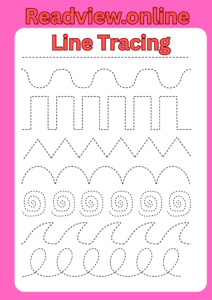
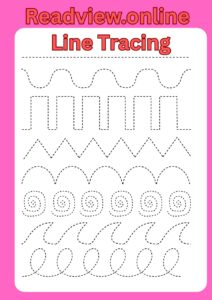
Tracing letters and words helps children practice handwriting, improve hand-eye coordination, and develop fine motor skills. Worksheets often start with simple letter tracing and progress to writing full words and sentences.
4. Concentration and Focus
Completing worksheets requires attention and patience. Children learn to focus on tasks for extended periods, a skill that supports all areas of academic development.
5. Critical Thinking
Some worksheets include matching exercises, puzzles, or simple crosswords. These activities develop problem-solving skills and logical thinking, enhancing children’s cognitive abilities.
Key Features of a Good Urdu Worksheet
A high-quality Urdu Worksheet should include the following:
-
Age-appropriate content: Simple letters and words for beginners; short sentences and phrases for older children.
-
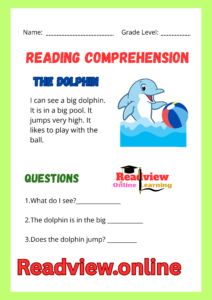
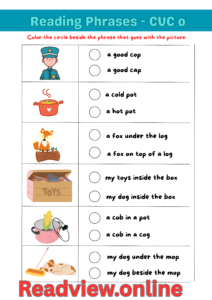
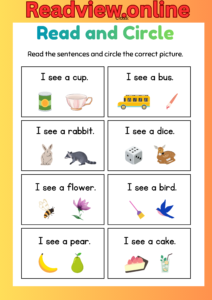
Interactive activities: Tracing, coloring, word-picture matching, and simple puzzles.
-
Clear instructions: Step-by-step guidance ensures children understand what to do.
-
Visual learning: Bright illustrations and themed worksheets engage children and make learning fun.
-
Progressive difficulty: Exercises gradually become more challenging as children improve.
These features ensure that children remain motivated, enjoy learning, and develop multiple skills at the same time.
Skills Developed Through Urdu Worksheets
1. Literacy and Reading Skills
Children practice recognizing letters, forming words, and reading sentences. This strengthens their foundation in Urdu literacy, preparing them for advanced learning.
2. Vocabulary and Word Recognition
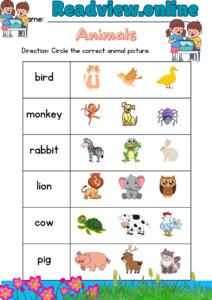
By learning new words in a structured and visual format, children expand their vocabulary. Worksheets often associate words with pictures, which enhances retention.
3. Writing and Fine Motor Skills
Letter and word tracing activities develop precise pencil control and improve hand strength. These exercises are critical for developing neat handwriting.
4. Cognitive Skills
Worksheets that include puzzles, pattern recognition, or matching exercises improve memory, attention, and problem-solving abilities.
5. Patience and Concentration
Working through a worksheet teaches children to follow instructions carefully and develop focus, skills that are transferable to other subjects.
Common Activities in Urdu Worksheets
To make learning engaging and effective, Urdu worksheets include a variety of activities:
-
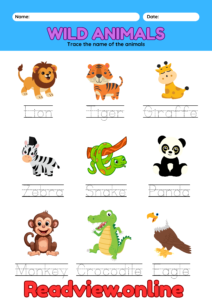
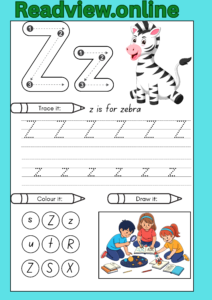
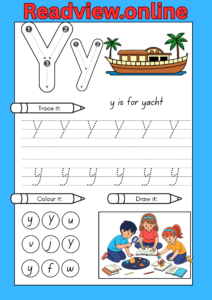
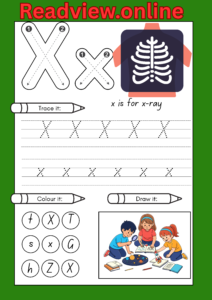
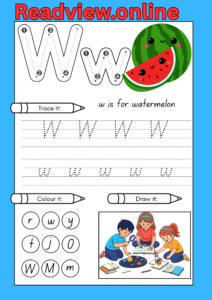
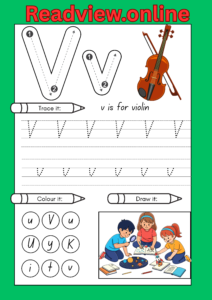
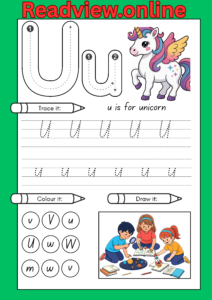
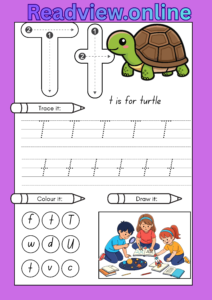
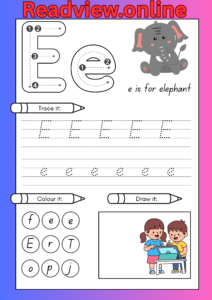
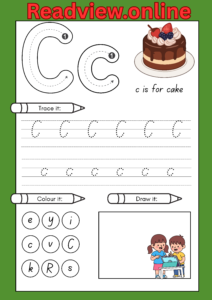
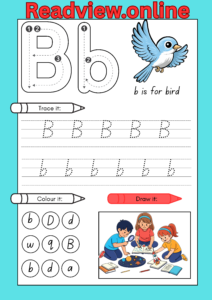
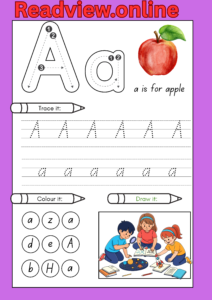
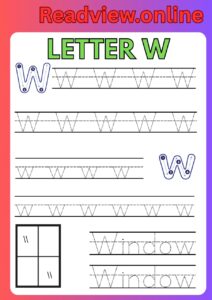
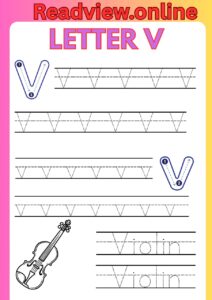
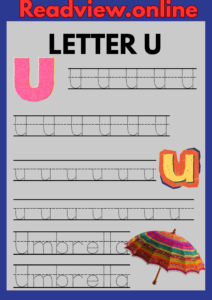
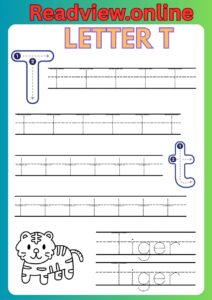
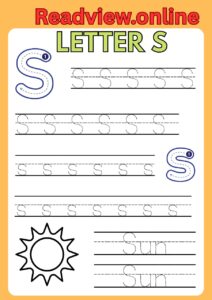
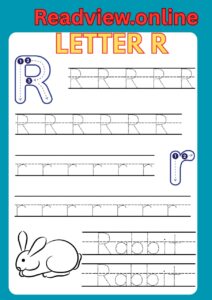
Letter Tracing: Children trace uppercase and lowercase letters to learn correct formation.
-
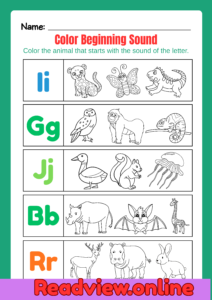
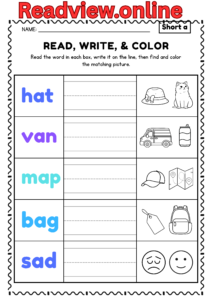
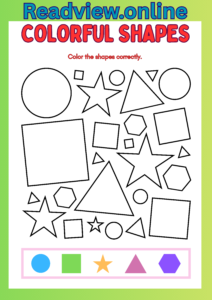
Coloring Activities: Coloring objects associated with words makes learning fun and creative.
-
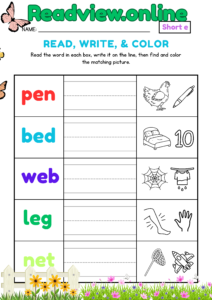
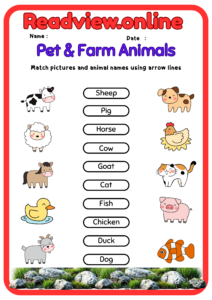
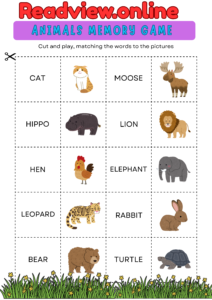
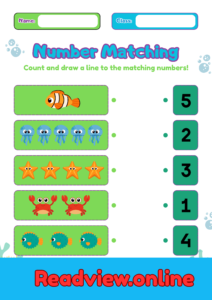
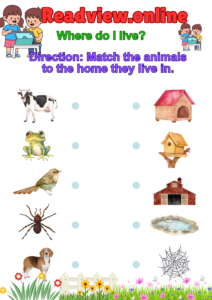
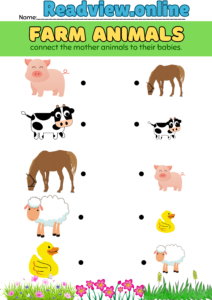
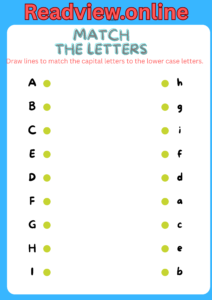
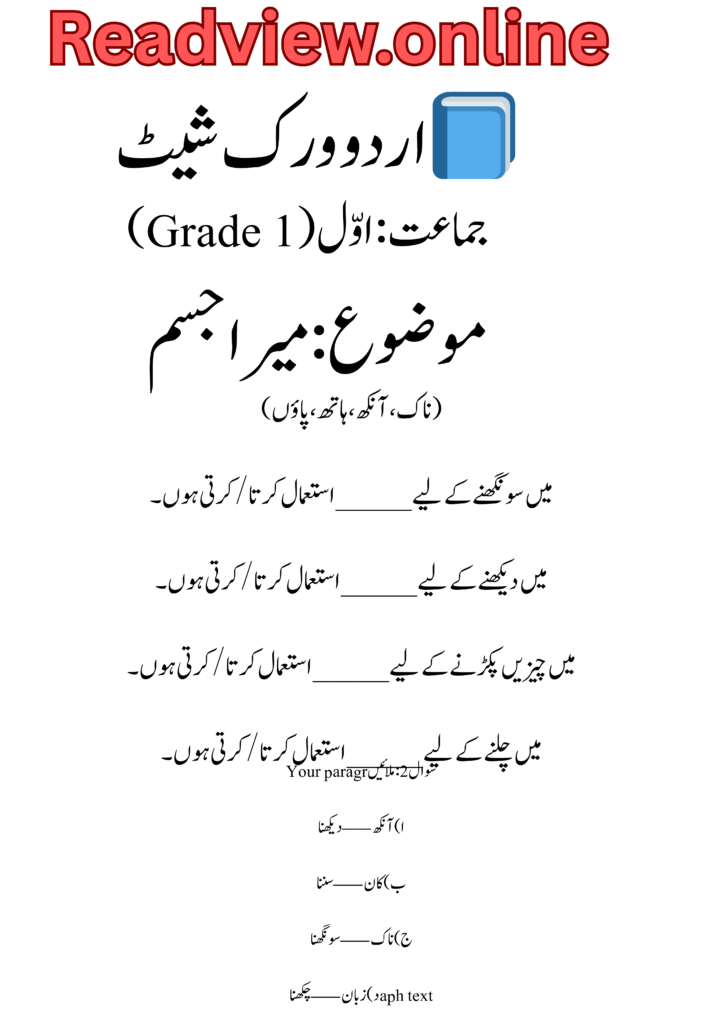
Word Matching: Children match words to corresponding pictures, reinforcing vocabulary.
-
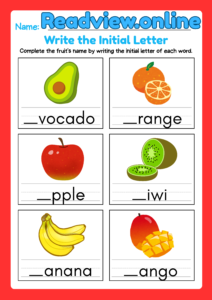
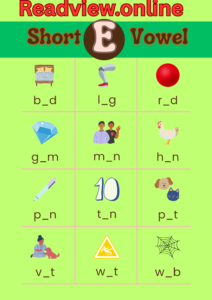
Find and Circle Letters: Helps children identify specific letters in a group, improving visual recognition.
-
Sentence Formation: Older children can practice arranging words to form simple sentences.
-
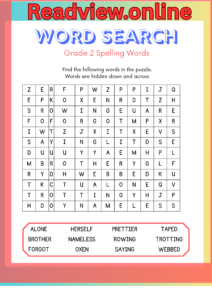
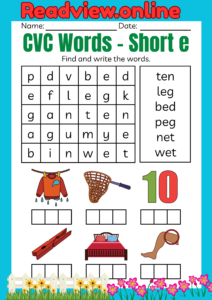
Puzzles and Word Games: Simple word searches or crosswords develop problem-solving skills and reinforce literacy.
Benefits for Parents and Teachers
Urdu worksheets are not only beneficial for children but also for parents and educators:
-
Time-saving: Ready-to-use worksheets save time in lesson planning.
-
Progress Tracking: Worksheets help track children’s development and identify areas that need improvement.
-
Flexible Learning: Suitable for classroom use, homeschooling, or extra practice at home.
-
Motivational Tool: Children enjoy completing worksheets and feel a sense of achievement.
-
Curriculum Support: Reinforces concepts taught in school or during lessons.
How Parents Can Support Learning
Parents can maximize the benefits of Urdu worksheets by:
-
Daily Practice: Set aside 15–20 minutes a day for worksheet activities.
-
Interactive Reading: Read the words aloud and discuss their meanings.
-
Praise and Encouragement: Celebrate completed worksheets to motivate children.
-
Creative Learning: Allow children to color, draw, or make additional examples.
-
Integrate Themes: Use worksheets related to seasons, festivals, or animals to maintain interest.
Printable vs Digital Worksheets
-
Printable Worksheets: Ideal for hands-on learning, coloring, tracing, and practicing writing.
-
Digital Worksheets: Interactive worksheets on tablets or computers provide engaging online learning opportunities.
Both formats allow flexibility and can be used according to the child’s learning style and convenience.
Common Mistakes to Avoid
To ensure effective learning, parents and teachers should avoid:
-
Overloading children with too many worksheets at once.
-
Expecting perfect handwriting or reading immediately.
-
Comparing a child’s progress with other children.
-
Skipping phonics and pronunciation practice in favor of writing only.
Patience, encouragement, and consistent practice are key to success.
Conclusion
Urdu Worksheets for Kids are a valuable educational tool that combines fun, learning, and skill development. Through tracing, coloring, puzzles, and word activities, children can master letters, words, and sentences while enhancing concentration, vocabulary, and writing skills.
Regular use of Urdu worksheets builds confidence, encourages independent learning, and prepares children for more advanced studies. Whether for home, classroom, or online learning, these worksheets provide a structured and engaging way to develop essential language skills.
By incorporating Urdu worksheets into daily routines, parents and teachers can create a positive learning environment that promotes both academic success and a love for the Urdu language.