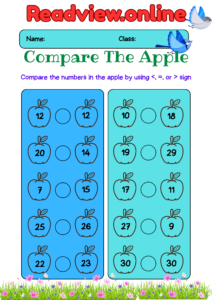
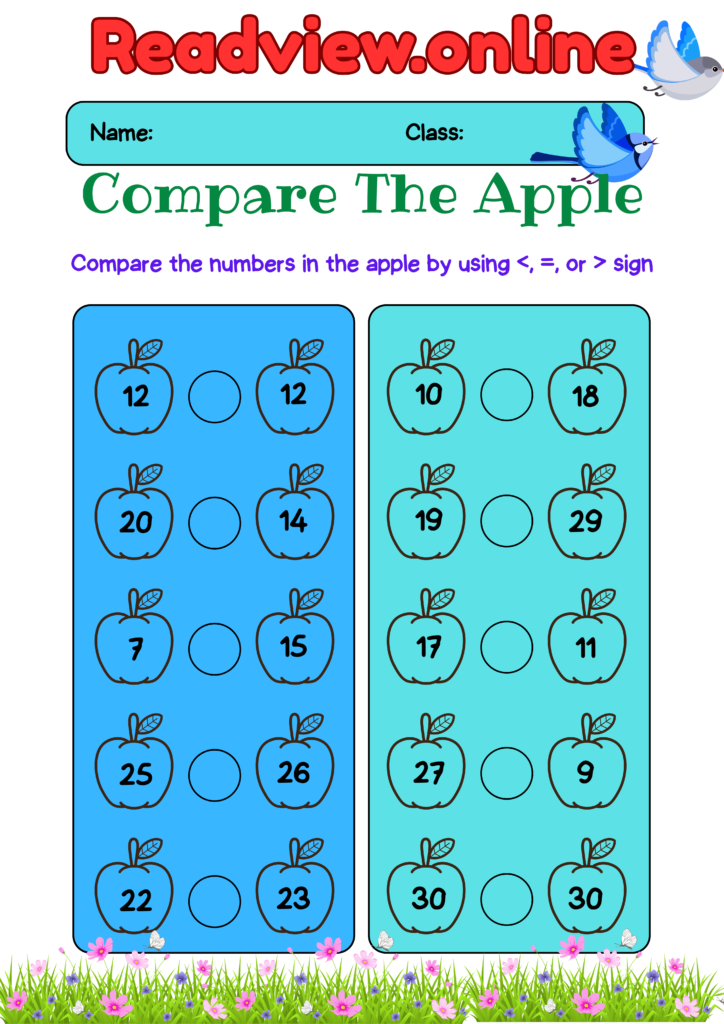
Compare the Apple: Fun Learning for Kids
Apples are one of the most loved fruits by children. They are sweet, colorful, and fun to eat. But did you know that apples can also be used to learn math and observation skills? The activity “Compare the Apple” teaches children how to compare sizes, colors, and quantities, while developing critical thinking, counting, and vocabulary skills.
Thank you for reading this post, don't forget to subscribe!By comparing apples, children not only learn math and science concepts but also practice descriptive language and observation. This makes learning hands-on, interactive, and memorable.
Why Comparing Apples Is a Good Learning Activity
-
Observation Skills: Children notice differences in size, color, and shape.
-
Vocabulary Development: Words like big, small, red, green, round are learned.
-
Early Math Skills: Compare quantity using words like more, less, equal.
-
Critical Thinking: Decide which apple is bigger, smaller, or heavier.
-
Fun and Engaging: Children enjoy touching, holding, and examining apples.
How to Compare Apples
1. Size Comparison
Take two apples of different sizes. Ask children questions like:
-
Which apple is bigger?
-
Which one is smaller?
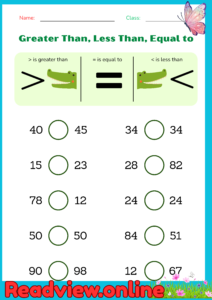
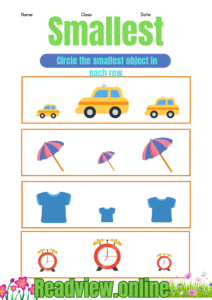
This activity introduces greater than (>) and less than (<) in a real-life context.
2. Color Comparison
Apples come in red, green, yellow, and mixed colors. Ask children:
-
Which apple is red?
-
Which apple is green?
-
Are they the same color or different?
This improves color recognition and descriptive vocabulary.
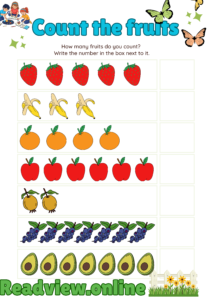
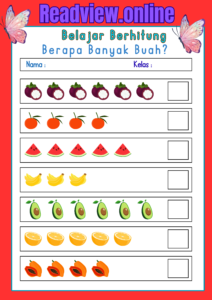
3. Counting and Quantity
Place a group of apples on one side and another group on the other. Ask children:
-
Which side has more apples?
-
Which side has fewer apples?
-
Are they equal in number?
This reinforces early math and counting skills.
4. Weight and Size Estimation
Give children two apples and ask them to guess which is heavier. Then let them hold and compare. This introduces measurement and estimation in a fun way.
5. Story-Based Comparison
Create short stories like:
“Emma picked 3 red apples and 5 green apples. Which group has more apples? Which has fewer?”
Stories make learning relatable and improve reading comprehension.
Skills Developed Through Comparing Apples
-
Critical Thinking: Children learn to analyze and compare objects.
-
Math Readiness: Counting, comparing, and estimating numbers.
-
Observation: Notice differences in size, color, and shape.
-
Vocabulary and Language: Learn words like big, small, more, less, equal, heavy, light.
-
Fine Motor Skills: Picking up, holding, and arranging apples strengthens hand-eye coordination.
How Parents and Teachers Can Use “Compare the Apple”
-
Use real apples during learning sessions to make the activity hands-on.
-
Encourage children to describe apples in full sentences: “This apple is bigger and red.”
-
Combine with coloring: Draw apples of different sizes and colors for matching and coloring activities.
-
Create a mini game: Line up apples by size or color and ask children to arrange them from smallest to largest.
-
Praise effort and creativity to keep children motivated.
Fun Activity Ideas
-
Apple Sorting: Sort apples by size, color, or type.
-
Apple Counting Race: How fast can children count 10 apples?
-
Storytelling with Apples: Children make up a story using apples as characters.
-
Apple Art: Draw apples and decorate with crayons or stickers while practicing size comparison.
-
Apple Graph: Make a simple bar graph showing how many red, green, or yellow apples there are.
A Short Story Example
Lily and Max went to the garden to pick apples. Lily found a big red apple and a small green apple. Max picked three medium-sized apples. They compared their apples: “Lily’s red apple is bigger than my medium apple,” Max said. “Yes! And I have fewer apples than you,” replied Lily. They laughed and counted all the apples together, learning bigger, smaller, more, and fewer without even realizing it—it was all part of their fun day in the garden!
Conclusion
The “Compare the Apple” activity is a perfect combination of learning and play. It teaches children math skills, observation, critical thinking, and vocabulary in a real-world context. By using apples to compare size, color, quantity, and weight, children enjoy hands-on learning while developing essential early skills.
This activity is simple, fun, and highly effective, making it ideal for parents, teachers, and homeschooling environments. Through playful exploration, children not only learn but also develop a love for learning and curiosity about the world around them.