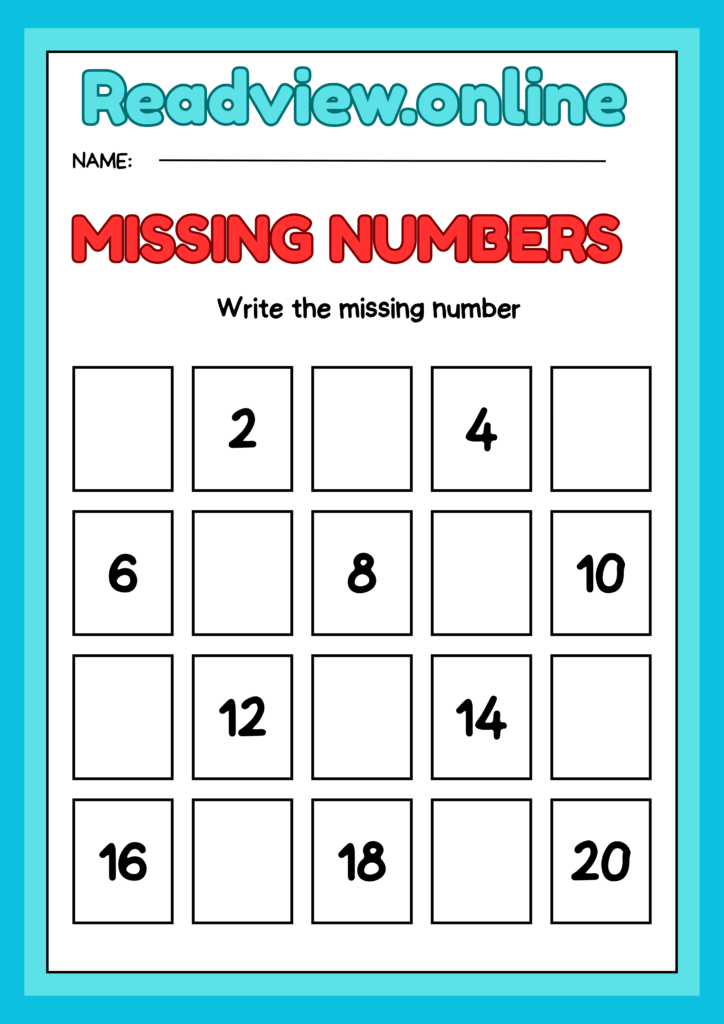
Missing Number: Fun Math Games for Kids
Missing number exercises are a fun and effective way for children to learn number sequences, addition, and subtraction. These exercises help kids identify patterns, boost logical thinking, and improve problem-solving skills.
Thank you for reading this post, don't forget to subscribe!By practicing missing numbers, children become more confident with numbers and ready for more advanced math concepts like counting, addition, subtraction, and mental arithmetic.
Why Missing Number Exercises Are Important
-
Number Recognition: Children learn to identify numbers in order.
-
Pattern Recognition: Understand sequences and numerical patterns.
-
Math Readiness: Prepares for addition, subtraction, and multiplication.
-
Critical Thinking: Teaches kids to analyze and fill gaps logically.
-
Confidence Boost: Successfully solving problems increases self-esteem.
Types of Missing Number Activities
1. Simple Number Sequences
Example: 1, 2, __, 4, 5 → Fill in the missing number: 3
-
Children practice counting forward and backward.
-
Reinforces number order and recognition.
2. Skip Counting
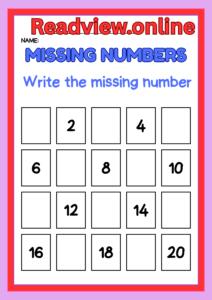
Example: 2, 4, __, 8, 10 → Fill in: 6
-
Helps children understand multiplication basics and patterns.
-
Can be done with 2s, 5s, 10s, or any other sequence.
3. Addition and Subtraction Sequences
-
Example: 5, 10, __, 20 → Fill in: 15
-
Example: 30, 25, __, 15 → Fill in: 20
-
Improves mental arithmetic and pattern recognition.
4. Picture-Based Missing Numbers
-
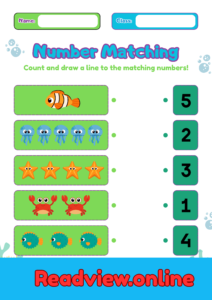
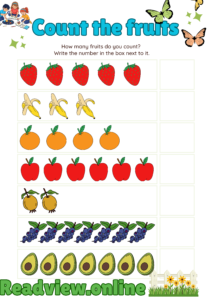
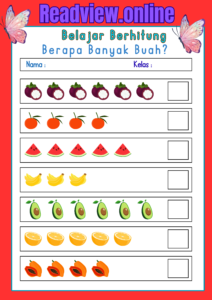
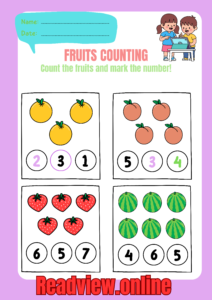
Show a row of apples or stars with one missing.
-
Ask: “How many apples are missing?”
-
Combines counting, visual recognition, and logic.
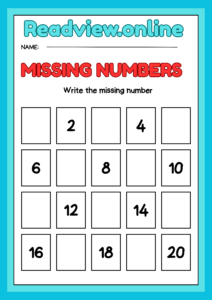
5. Puzzle Worksheets
-
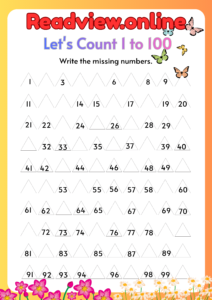
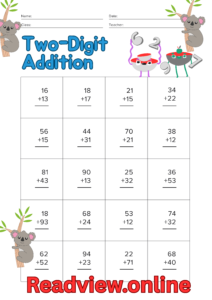
Use colorful worksheets with missing numbers in rows or columns.
-
Kids can solve independently or in groups.
-
Adds fun and keeps children engaged.
Skills Developed Through Missing Number Activities
-
Numerical Order: Recognizing what comes before or after a number.
-
Pattern Recognition: Spotting sequences and trends in numbers.
-
Problem-Solving: Using logic to find missing numbers.
-
Concentration: Focus improves while completing sequences.
-
Confidence in Math: Solving sequences successfully makes math fun and approachable.
Fun Activity Ideas
-
Number Line Challenge: Draw a number line and leave some numbers missing. Let kids fill them in.
-
Daily Number Hunt: Ask children to find missing numbers in daily life (stairs, clocks, pages).
-
Flashcards: Show number sequences with a missing number and ask kids to answer.
-
Story-Based Problems:
“Ali had 10 apples, he gave some to Sara, and now he has 7. How many did he give?”
Story Example: The Number Garden
In a magical garden, numbers were growing like flowers. One day, some numbers went missing! The little gardener, Rani, needed to find them.
-
She saw flowers: 1, 2, __, 4, 5 → Filled in 3
-
Then: 10, 15, __, 25 → Filled in 20
By solving missing numbers, Rani restored the garden. This story helps kids visualize missing number exercises as a fun adventure.
Tips for Parents and Teachers
-
Start Small: Begin with 1–10 sequences, then gradually increase numbers.
-
Use Visual Aids: Charts, blocks, and pictures make sequences easier to understand.
-
Mix in Fun Games: Incorporate missing numbers into interactive games or competitions.
-
Encourage Explanation: Ask children to explain how they found the missing number.
-
Praise Effort: Celebrate correct answers and attempts to keep motivation high.
Conclusion
Missing number activities are a creative and effective way to strengthen number skills in children. By combining number sequences, visual aids, stories, and games, kids learn to recognize patterns, solve problems logically, and enjoy math.
These exercises build confidence, improve focus, and develop critical thinking, making learning numbers interactive, fun, and memorable.