Short E Vowel: Learn the Sound and Words
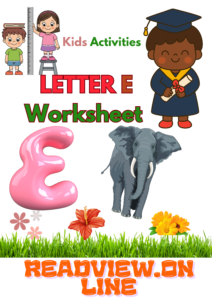
The short E vowel is one of the important sounds in English. It sounds like /e/ as in “bed” or “pen”. Learning the short E vowel helps children read, spell, and pronounce words correctly.
Thank you for reading this post, don't forget to subscribe!This topic is perfect for phonics lessons, kids’ books, worksheets, and classroom activities.
What Is the Short E Vowel?
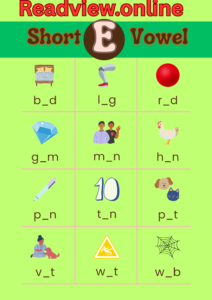
The short E vowel appears in words where the letter “e” makes the sound /e/, like in these examples:
-
bed
-
pen
-
red
-
net
-
ten
It is different from the long E sound, which sounds like /ee/ as in “see” or “tree”.
Why Learning Short E Vowel Is Important
-
Helps children read words fluently
-
Improves spelling and writing skills
-
Builds phonics knowledge for reading
-
Develops listening and pronunciation skills
-
Prepares for reading full sentences and stories
Examples of Short E Words
-
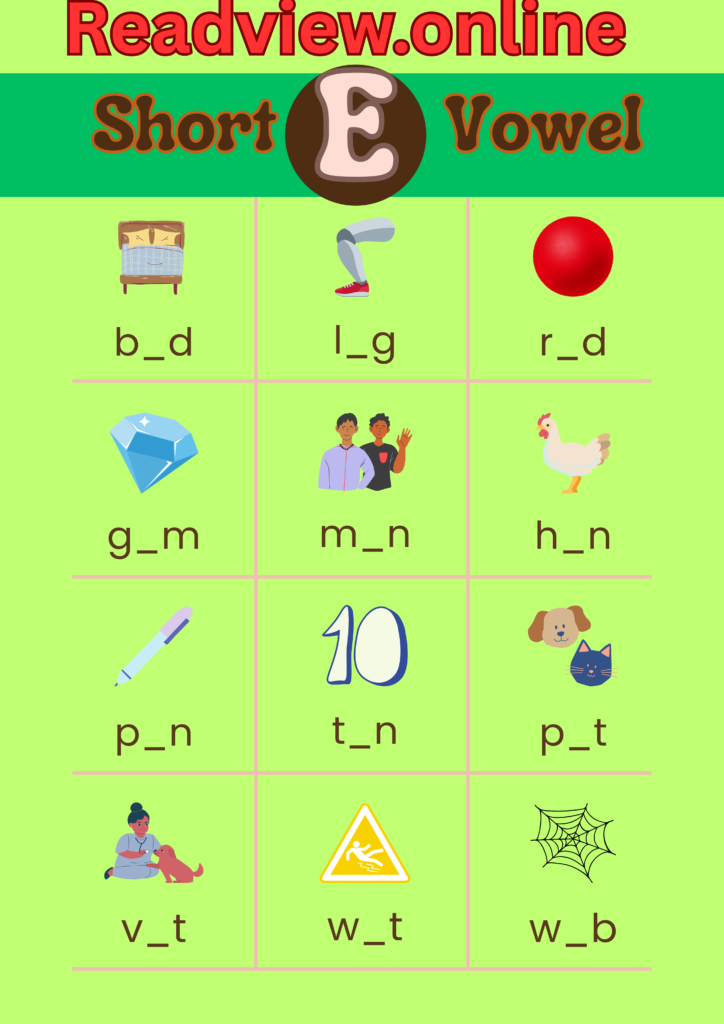
Pet – My pet is a cat.
-
Web – A spider spins a web.
-
Leg – I hurt my leg.
-
Hen – The hen lays eggs.
-
Net – I caught the ball in the net.
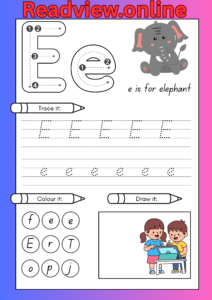
Children can say the word aloud, trace it, or circle the letter e to learn better.
Short Story: Learning Short E
Ali was learning vowels in class. Today’s focus was short E.
His teacher said, “Let’s find short E words in the room.”
Ali saw a pen on his desk and a red book.
He said aloud, “Pen… Red… Bed!”
Ali learned to recognize short E words easily through fun practice.
Fun Short E Activities
1. Word Hunt
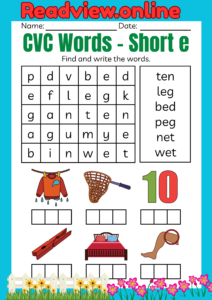
Ask children to find short E words in books or around the classroom.
2. Colour the E
Children colour the letter E in short E words.
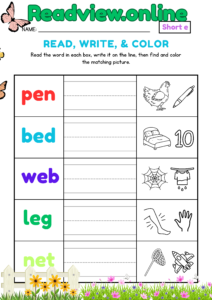
3. Match the Word
Match short E words with pictures (e.g., hen → 🐔).
4. Say and Spell
Say the short E word aloud and spell it together.
5. Short E Stories
Read short stories with short E words and highlight the words with E.
Skills Developed Through Short E Vowel
-
Phonics and sound recognition
-
Reading and pronunciation
-
Spelling and writing skills
-
Observation and listening
-
Early literacy confidence
Tips for Parents and Teachers
-
Repeat the short E sound slowly
-
Show pictures to explain meaning
-
Encourage children to say words aloud
-
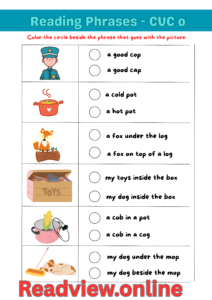
Use fun worksheets and games
-
Praise effort and progress
Conclusion
Learning the short E vowel is an essential step in phonics. By practicing words like bed, pen, red, and net, children improve their reading, spelling, and pronunciation skills.
Fun activities and repetition help children enjoy learning vowels while building a strong foundation for early literacy