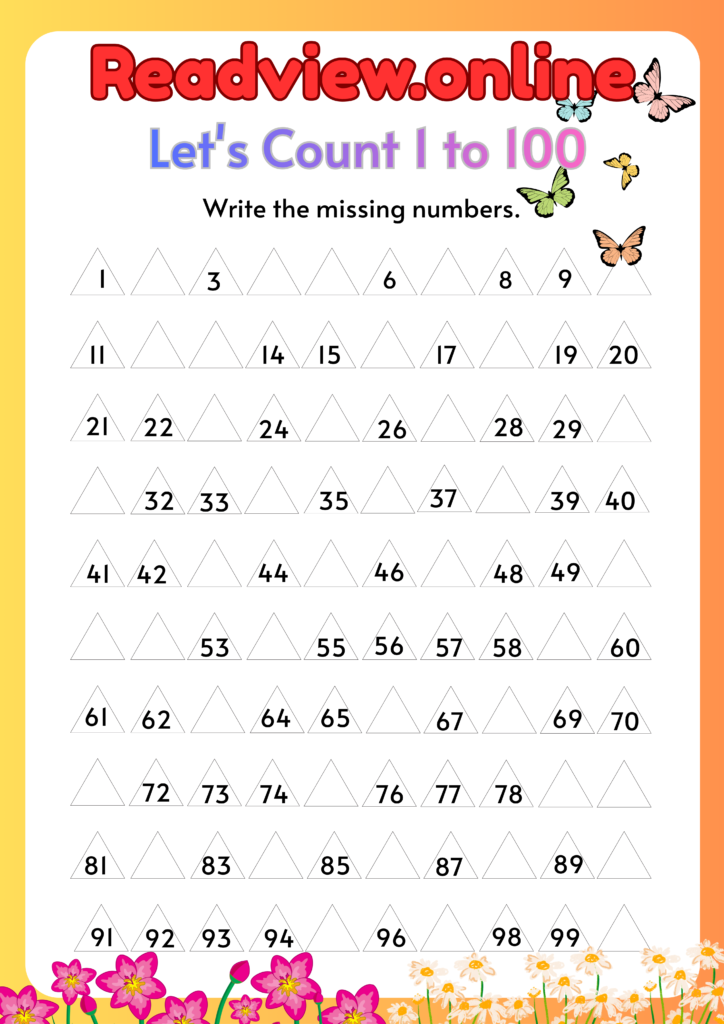
Counting from 1 to 100: A Fun Learning Journey for Kids
Learning to count from 1 to 100 is one of the most important milestones in early childhood education. Counting not only introduces children to numbers but also helps develop math skills, logical thinking, and concentration. By making counting interactive, colorful, and playful, kids can enjoy the process while building a strong foundation for future learning.
Thank you for reading this post, don't forget to subscribe!Why Counting to 100 Is Important
Counting from 1 to 100 teaches children:
-
Number Recognition: Understanding each number and its sequence.
-
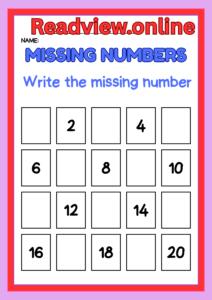
Numerical Order: Knowing what comes before and after a number.
-
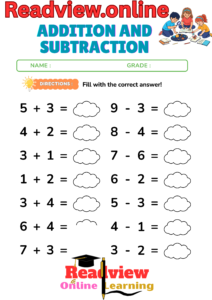
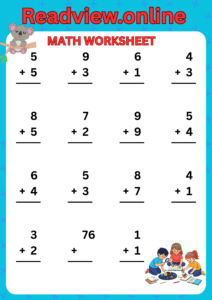
Addition and Subtraction Basics: Laying the foundation for arithmetic.
-
Concentration and Memory: Remembering numbers in order strengthens cognitive skills.
-
Confidence in Math: Successfully counting large numbers boosts self-esteem.
Counting is more than memorization; it’s about understanding the relationship between numbers and learning to apply them in real-life situations.
Fun Ways to Learn Counting from 1 to 100
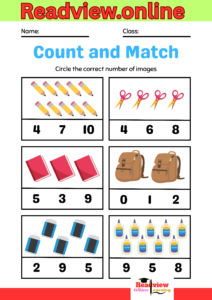
1. Count Objects Around You
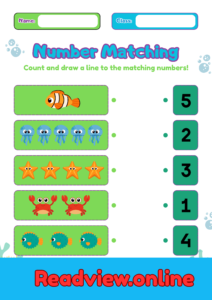
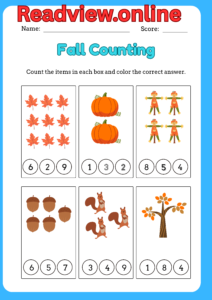
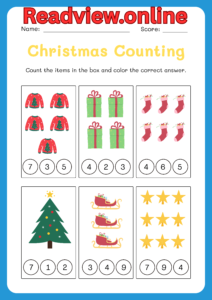
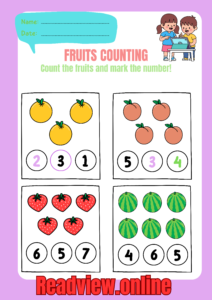
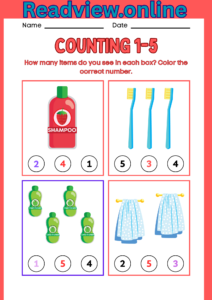
Children can count:
-
Toys in a box
-
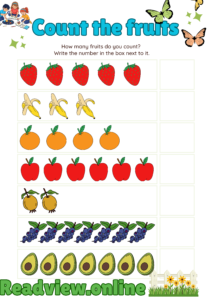
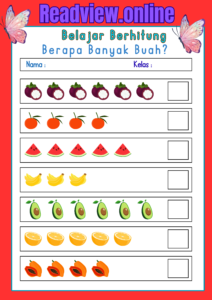
Fruits on the table
-
Steps while walking
-
Stars or clouds in the sky
This hands-on approach helps children connect numbers with real objects.
2. Number Charts and Posters
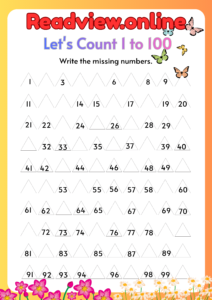
Create a colorful 1–100 number chart and hang it in the child’s room. Encourage them to point and count along. Visual aids make it easier to remember the sequence.
3. Counting Games
-
Hopscotch with numbers 1–20 or 1–100
-
Dice games: Roll a dice and count objects accordingly
-
Jumping numbers: Jump while saying numbers in order
Games make learning active and fun instead of just rote memorization.
4. Writing Numbers
-
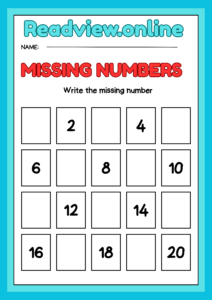
Practice writing numbers 1–100 on paper or a whiteboard.
-
Encourage kids to write numbers in groups (1–10, 11–20) for easier learning.
-
Use different colors for every 10 numbers to make it visually interesting.
5. Story-Based Counting
Create stories involving numbers. Example:
“Ali had 10 apples, Sara gave him 5 more, how many does he have now?”
Stories make numbers relatable and improve critical thinking.
Skills Developed While Counting
-
Mathematical Skills: Counting is the first step toward addition, subtraction, and number patterns.
-
Memory and Concentration: Remembering numbers in sequence improves focus.
-
Fine Motor Skills: Writing numbers improves hand-eye coordination.
-
Problem-Solving: Applying numbers in real situations develops logic.
-
Confidence and Independence: Successfully counting and writing numbers boosts self-esteem.
Tips for Parents and Teachers
-
Start Small: Teach numbers in small groups like 1–10, then 11–20, and so on.
-
Use Visual Aids: Charts, flashcards, and number lines help children visualize numbers.
-
Combine Counting with Daily Activities: Count toys, snacks, stairs, or steps while walking.
-
Encourage Practice: Short daily sessions (5–10 minutes) are more effective than long hours.
-
Praise Effort: Celebrate progress, not just accuracy, to keep motivation high.
Fun Activity: Counting Adventure
Imagine going on a treasure hunt! Place 100 small objects (coins, beads, or buttons) in a line. Ask children to:
-
Count each object carefully
-
Group objects in tens
-
Color or mark every tenth object
-
Make a small story while counting each group
This activity turns learning into an exciting adventure, making counting from 1 to 100 memorable and enjoyable.
Conclusion
Counting from 1 to 100 is an essential skill that forms the basis for all future math learning. By using hands-on activities, games, storytelling, and visual aids, children can enjoy counting while improving memory, attention, and problem-solving skills.
Whether at home, in school, or during playtime, counting becomes fun, interactive, and educational. This approach not only teaches numbers but also nurtures confidence, curiosity, and a love for learning in children.