Brain Games for Kids: Fun Ways to Boost Thinking Skills
Did you know that learning can be fun and exciting at the same time? Brain games are a fantastic way for children to develop critical thinking, problem-solving, memory, and concentration skills while having a blast. These activities help young minds stay sharp, creative, and curious about the world.
Thank you for reading this post, don't forget to subscribe!Brain games are not just puzzles or quizzes—they are interactive exercises that challenge the brain, stimulate imagination, and improve focus. Children can play alone, with friends, or with family, making learning both social and educational.
Why Brain Games Are Important
-
Enhance Memory: Games like matching cards or memory challenges improve recall abilities.
-
Boost Concentration: Focusing on solving puzzles or tasks increases attention span.
-
Encourage Problem-Solving: Children learn to think critically and explore solutions.
-
Stimulate Creativity: Many games involve imagination, drawing, or storytelling.
-
Build Confidence: Solving challenges successfully increases self-esteem.
Brain games prepare children not only for academics but also for everyday problem-solving.
Types of Brain Games
1. Puzzle Games
-
Jigsaw Puzzles: Improve visual perception and spatial skills.
-
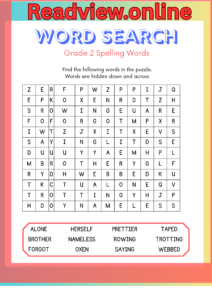
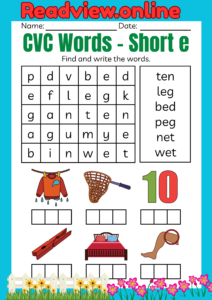
Word Searches: Boost vocabulary and pattern recognition.
-
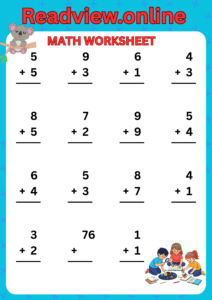
Sudoku for Kids: Teaches logic and numerical reasoning.
2. Memory Games
-
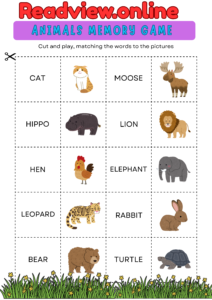
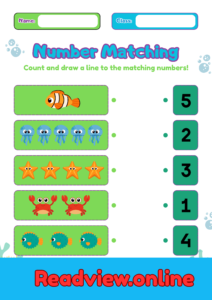
Matching Cards: Flip cards and find pairs.
-
Story Recall: Read a short story and ask children to recall details.
-
Sequence Games: Remember and repeat a sequence of objects or numbers.
3. Creative Thinking Games
-
Draw and Complete: Start a drawing and let kids complete it creatively.
-
Story Builders: Give three random words and let children create a story.
-
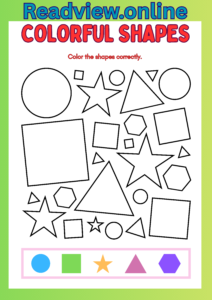
Shape Challenges: Combine shapes to form animals, objects, or imaginary creatures.
4. Physical Brain Games
-
Simon Says: Improves listening, focus, and reaction.
-
Obstacle Courses: Incorporate counting, color recognition, and memory tasks.
-
Movement Puzzles: Hop to numbers or letters in order to solve a challenge.
Skills Developed Through Brain Games
-
Cognitive Skills: Memory, attention, and reasoning improve naturally.
-
Problem-Solving: Children learn to analyze and make decisions.
-
Fine Motor Skills: Drawing, puzzles, and writing enhance hand-eye coordination.
-
Social Skills: Multiplayer games teach teamwork, sharing, and communication.
-
Emotional Development: Children learn patience, persistence, and handling challenges.
Fun Activity Ideas
-
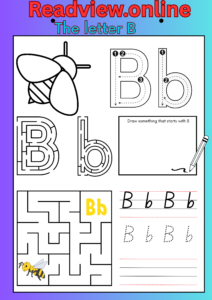
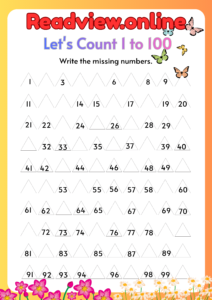
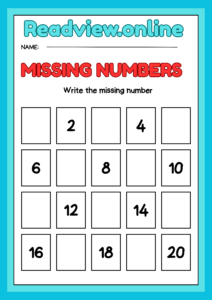
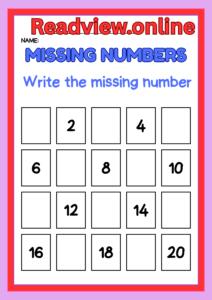
Number Maze: Draw a maze where children follow a number sequence from 1–20 to reach a treasure.
-
Color Pattern Challenge: Show a pattern with colors and ask kids to continue it.
-
Riddle Time: Simple riddles like “I have keys but no doors. What am I?” (Answer: Piano) to stimulate thinking.
-
Memory Tray: Place 10 objects on a tray, let kids observe for 30 seconds, then remove one item and ask which one is missing.
Tips for Parents and Teachers
-
Mix It Up: Use a combination of puzzles, memory games, and creative tasks.
-
Encourage Exploration: Let children come up with their own game ideas.
-
Celebrate Effort: Praise thinking process, not just correct answers.
-
Use Everyday Objects: Bottles, fruits, or toys can become game pieces.
-
Make It Social: Play with siblings or classmates to add fun and competition.
Story Example: The Clever Fox
Once upon a time, in a colorful forest, a clever fox loved solving puzzles. One day, he found a box full of riddles and memory games. He challenged his friends—the rabbit, owl, and squirrel—to solve them.
-
First, they played a memory game with forest fruits.
-
Then, they solved a shape challenge, turning leaves and sticks into a small house.
-
Finally, they completed a number maze to reach a hidden treasure.
By the end of the day, all animals learned that brain games were not just fun, but made them smarter and faster thinkers.
Conclusion
Brain games for kids are a powerful tool to develop thinking skills, memory, creativity, and focus in an engaging way. By combining puzzles, memory challenges, physical activities, and storytelling, children enjoy learning while enhancing cognitive abilities.
Parents and teachers can make these activities interactive, colorful, and playful, turning ordinary learning into a brain-boosting adventure. With regular practice, kids become confident, imaginative, and eager learners, ready to take on any challenge.