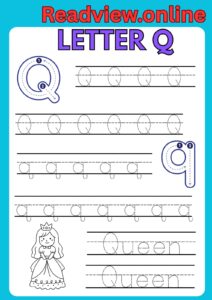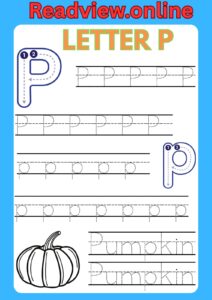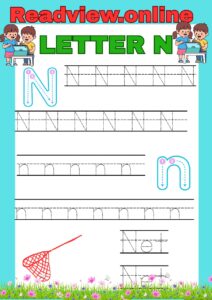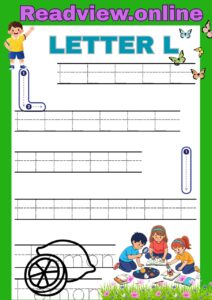
Phonics Worksheet – Learn Letters and Sounds
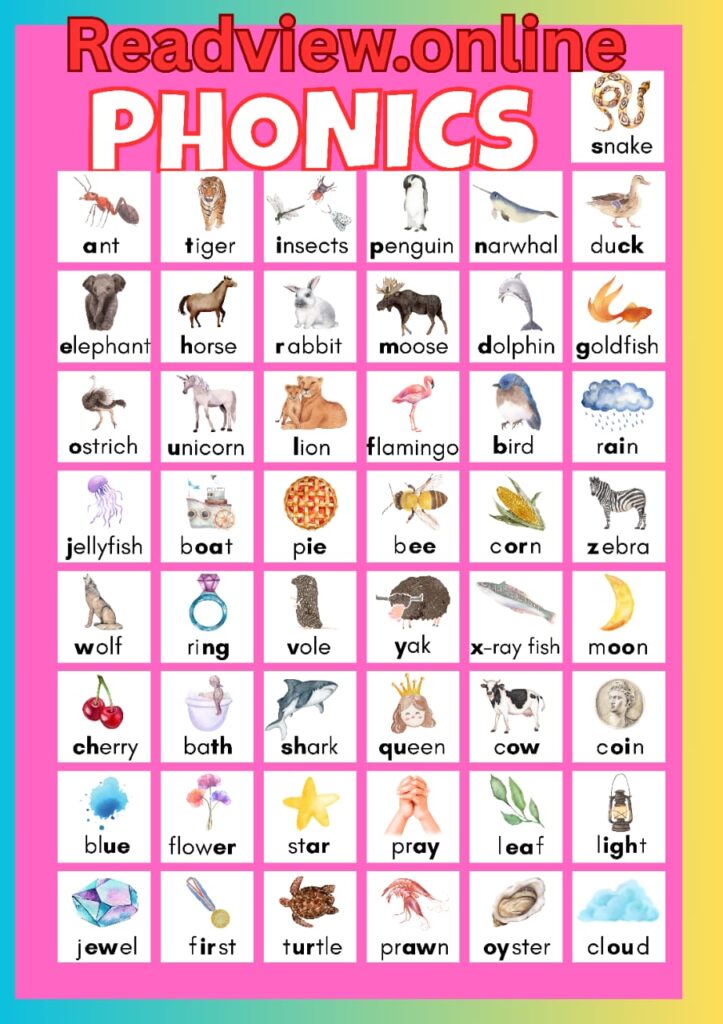
Phonics worksheets bachon ke liye ek mazedaar aur educational activity hai jo unko alphabet sounds, word formation, reading readiness, and vocabulary development sikhata hai.
Thank you for reading this post, don't forget to subscribe!Bachay letters, sounds, words aur simple sentences practice karte hain. Ye worksheet classrooms, home learning, aur kids’ books ke liye perfect hai.
1. Introduction to Phonics
Phonics is the method of teaching children how letters correspond to sounds. Understanding phonics helps children read, spell, and speak correctly.
Key Terms:
-
Letter → A, B, C …
-
Sound → /a/, /b/, /k/ …
-
Blend → Combining sounds to make words (ex: c + a + t = cat)
-
Segment → Breaking words into individual sounds
Example:
-
Letter B → /b/ sound → bat, ball, bus
-
Letter C → /k/ or /s/ sound → cat, circle
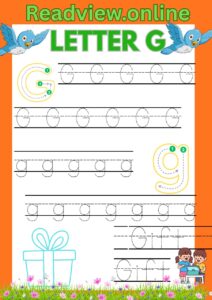
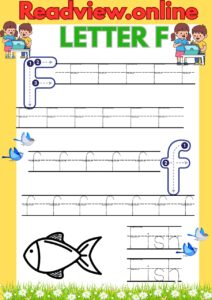
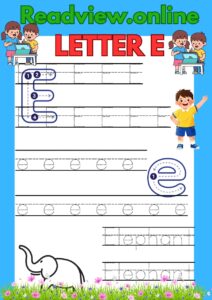
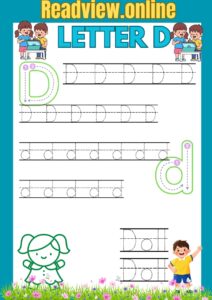
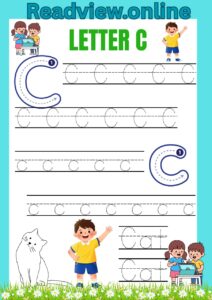
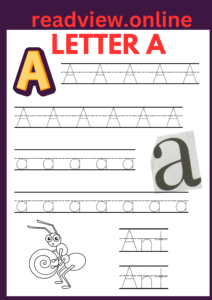
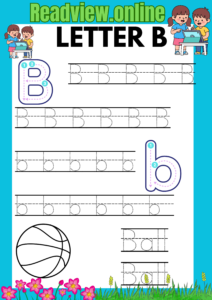
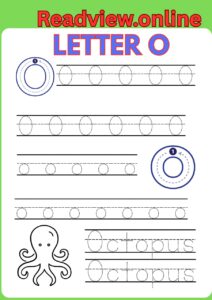
2. Trace the Letters and Sounds
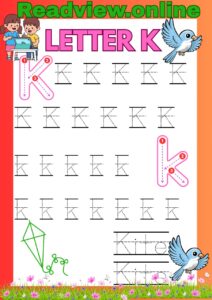
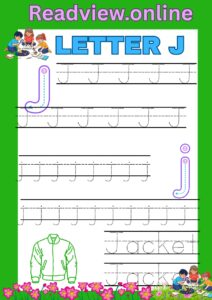
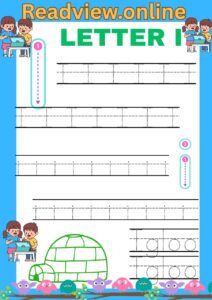
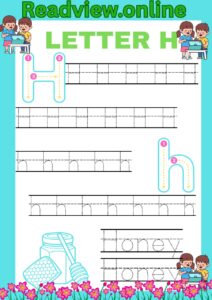
Activity: Trace the letters and say the sound aloud.
Uppercase Letters:
A B C D E F G H I J K L M N O P Q R S T U V W X Y Z
Lowercase Letters:
a b c d e f g h i j k l m n o p q r s t u v w x y z
Tips:
-
Trace each letter slowly and say the sound
-
Repeat 2–3 times for memory reinforcement
3. Identify the Beginning Sounds
Activity: Look at the pictures and write the first letter:
-
🐱 → __ → Answer: C
-
🐶 → __ → Answer: D
-
🍎 → __ → Answer: A
-
🐍 → __ → Answer: S
-
🐘 → __ → Answer: E
Skills Developed:
-
Letter-sound recognition
-
Observation
-
Early reading skills
4. Match Letters with Words
Activity: Draw a line connecting the letter to the correct word:
-
B → Ball
-
C → Cat
-
D → Dog
-
F → Fish
-
M → Monkey
Benefits:
-
Vocabulary building
-
Letter-sound association
-
Visual memory
5. Fill in the Missing Letter
Activity: Complete the word with the missing beginning sound:
-
__at → Answer: C
-
__og → Answer: D
-
__ish → Answer: F
-
__onkey → Answer: M
-
__pple → Answer: A
Skills Developed:
-
Phonemic awareness
-
Word formation
-
Spelling
6. Short Phonics Story
Story:
Tom the Tiger took a trip to the tree. He saw a cat, a dog, and a fish swimming in the pond. The tiger and the monkey played happily under the sun.
Activity Questions:
-
Which animals did Tom see? → Answer: Cat, Dog, Fish, Monkey
-
Where did the fish swim? → Answer: Pond
-
Who played under the sun? → Answer: Tiger and Monkey
Benefits:
-
Reading comprehension
-
Vocabulary practice
-
Letter-sound reinforcement
7. Word Search – Phonics
Activity: Find the words in the puzzle:
Words to find: Cat, Dog, Fish, Monkey, Ball, Apple, Sun
Benefits:
-
Word recognition
-
Spelling practice
-
Observation & focus
8. Color the Letters
Activity: Colour the letters that correspond to the pictures:
-
A → Apple → Red
-
B → Ball → Blue
-
C → Cat → Yellow
-
D → Dog → Green
-
F → Fish → Orange
Skills Developed:
-
Letter recognition
-
Color association
-
Fun learning
9. Blend and Read
Activity: Combine sounds to read words:
-
c + a + t → cat
-
d + o + g → dog
-
f + i + sh → fish
-
m + o + n + k + e + y → monkey
-
a + p + p + l + e → apple
Benefits:
-
Sound blending
-
Reading readiness
-
Vocabulary building
10. Phonics Rhyme Practice
Activity: Read the rhyme and circle the words with the same beginning sound:
Sam saw a snake and a sun.
The snake slithered silently.
Sam smiled at the sun.
Questions:
-
Which words start with S? → Answer: Sam, saw, snake, sun, slithered, silently
-
Circle all S words in the rhyme
Benefits:
-
Rhyming awareness
-
Beginning sound identification
-
Early literacy skills
11. Fun Phonics Games
-
Sound Hunt: Look around and find objects starting with the same sound as a given letter.
-
Phonics Bingo: Prepare bingo sheets with letters and pictures; children mark them when called out.
-
Letter Hop: Place letter cards on the floor and ask children to hop on the letter when its sound is called.
Benefits:
-
Physical activity
-
Letter-sound reinforcement
-
Fun and engaging
12. Phonics Flashcards
Activity: Create flashcards with letters and corresponding images. Review daily:
-
A → Apple
-
B → Ball
-
C → Cat
-
D → Dog
-
F → Fish
-
M → Monkey
Benefits:
-
Memory improvement
-
Fast letter recognition
-
Visual and auditory learning
13. Tips for Parents and Teachers
-
Introduce one letter at a time
-
Use real objects and pictures for better engagement
-
Encourage children to say the sound and word aloud
-
Keep sessions short and interactive (5–10 minutes)
-
Praise children for accuracy and effort
14. Why Phonics Worksheets Are Effective
-
Builds reading and spelling skills
-
Develops sound recognition and word formation
-
Enhances observation and memory
-
Prepares children for advanced literacy
-
Combines learning with fun activities like coloring and puzzles
15. Conclusion
Phonics worksheets help children recognize letters, sounds, blend words, and read simple words.
By tracing, matching, coloring, blending sounds, and playing games, children develop phonemic awareness, vocabulary, reading readiness, and early literacy skills while enjoying learning.
This comprehensive Phonics worksheet ensures children master letters and sounds in a fun and educational way, ready for classroom or home learning.