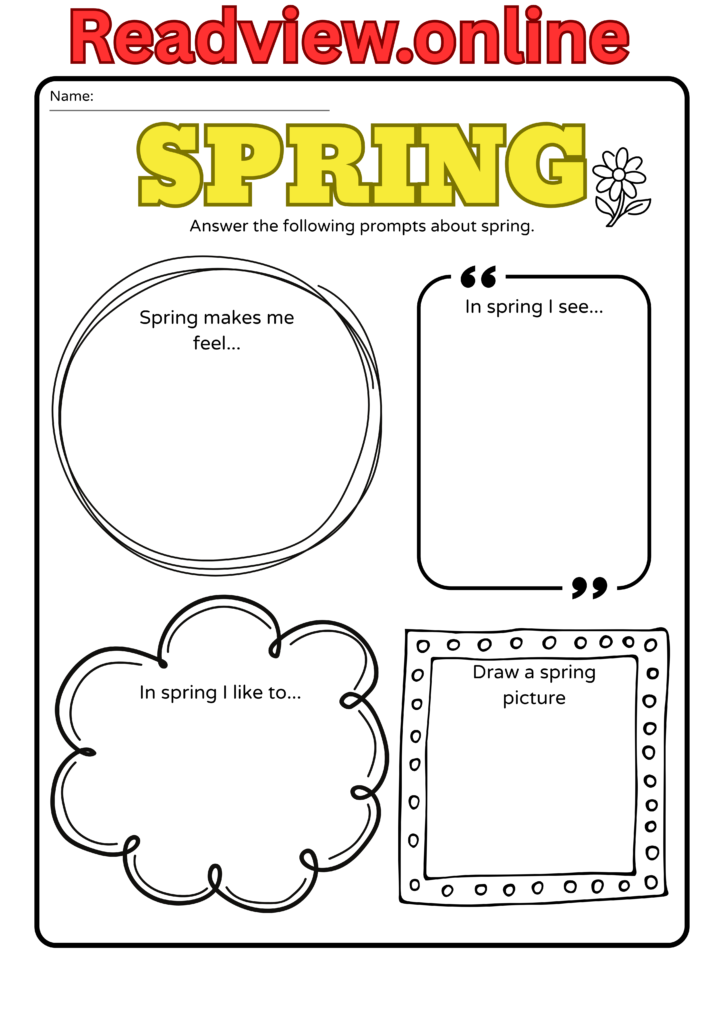
Spring – A Magical Season for Kids
Spring is one of the most beautiful and exciting seasons of the year. It is a time when flowers bloom, trees regain their green leaves, animals become more active, and the weather becomes warm and pleasant. For children, spring is not just a season—it is a world full of colors, sounds, and discoveries. Learning about spring helps kids understand nature, the environment, and the beauty of seasonal changes.
Thank you for reading this post, don't forget to subscribe!In spring, children can observe many exciting things. Flowers such as tulips, daisies, and sunflowers start to bloom, creating colorful gardens and parks. Birds return from their winter migration and build nests, filling the air with cheerful songs. Butterflies flutter gracefully around flowers, and bees begin collecting nectar. This season is perfect for children to explore the outdoors and connect with nature.
Why Spring Is Important for Kids
Spring is more than just pretty flowers and sunny days. It offers several educational and developmental benefits for children:
-
Observation Skills – Spring encourages children to observe changes in nature, such as new buds on trees, animals coming out of hibernation, and rainfall patterns.
-
Curiosity About Nature – Kids ask questions about plants, insects, and weather, which promotes scientific thinking.
-
Creativity and Imagination – Bright colors, animals, and gardens inspire children to draw, paint, or create stories.
-
Understanding Life Cycles – Spring is the season of growth. Children learn how seeds grow into plants, and how animals care for their young.
-
Environmental Awareness – Experiencing spring helps children appreciate nature and understand the importance of protecting it.
By exploring spring, children develop observation, thinking, and creative skills in a natural and fun way.
Fun Things to Explore in Spring
Children can enjoy a variety of activities in spring:
-
Flower Gardens – Observe different types of flowers, their colors, shapes, and smells.
-
Butterflies and Insects – Watch butterflies, bees, ladybugs, and other insects as they move around plants.
-
Bird Watching – Listen to birds singing and learn about their colors and behaviors.
-
Outdoor Games – Spring’s warm weather makes it perfect for running, playing, and flying kites.
-
Planting Seeds – Kids can plant flowers or vegetables and watch them grow, learning responsibility and patience.
These activities not only entertain children but also help them learn about the world around them.
A Story About Spring for Kids
Once upon a time, in a small village, winter was ending, and the first signs of spring appeared. Little Sara noticed green buds on the trees near her house. She ran outside to watch birds building nests and butterflies fluttering among the flowers.
Sara decided to plant her own little garden. She planted sunflower seeds, tulips, and marigolds. Every morning, she watered the plants and watched tiny sprouts grow taller each day. She also observed bees buzzing from flower to flower and birds singing cheerful songs.
One day, Sara’s friend Ali joined her, and they started a mini nature journal. They drew pictures of the flowers, wrote the names of birds they saw, and counted butterflies in the garden. Spring had turned into a magical adventure, full of learning, creativity, and fun.
Lessons Children Learn From Spring
Spring teaches many valuable lessons:
-
Growth and Patience – Just like plants need time to grow, children learn the value of patience and care.
-
Observation and Awareness – By noticing changes in nature, children develop focus and attention to detail.
-
Creativity and Expression – Drawing, coloring, or storytelling inspired by spring encourages self-expression.
-
Love for Nature – Experiencing spring fosters appreciation and respect for the environment.
-
Scientific Thinking – Kids ask questions like why flowers bloom, why birds migrate, and why the weather changes, enhancing curiosity and learning.
Activities to Make Spring Fun and Educational
Even without worksheets, kids can enjoy spring while learning:
-
Nature Walks – Explore parks and gardens, observe insects, flowers, and birds.
-
Coloring and Drawing – Draw flowers, trees, or animals seen during spring.
-
Storytelling – Create stories inspired by the season, like talking flowers or adventures with butterflies.
-
Seasonal Crafts – Use leaves, flowers, or twigs to make art projects.
-
Simple Science Experiments – Plant seeds and observe growth, or make a small weather chart for rainfall and temperature.
These activities combine learning and play, keeping children engaged and motivated.
Conclusion
Spring is a magical season full of life, color, and learning opportunities for children. Through observation, creativity, and play, kids can explore the wonders of nature, understand environmental changes, and develop essential skills. Whether planting a garden, watching butterflies, or drawing colorful flowers, spring inspires curiosity, imagination, and joy.
A kids’ book about spring can capture these experiences, providing educational content while keeping the story fun and engaging. By connecting children with the beauty of the season, we help them grow into curious, observant, and creative learners who appreciate the world around them.