Learning CVC Words: Fun with Short Words for Kids
Learning to read is an exciting journey for young children, and CVC words play a vital role in building strong early reading skills. CVC stands for Consonant-Vowel-Consonant, such as cat, dog, and sun. These short words help kids understand how letters combine to form sounds and words, laying the foundation for fluent reading.
Thank you for reading this post, don't forget to subscribe!CVC words are simple, easy to pronounce, and perfect for beginner readers. When children practice reading, writing, and spelling CVC words, they develop confidence, phonics skills, and a love for reading.
Why CVC Words Are Important
-
Early Reading Skills: CVC words are easy to sound out, making them perfect for beginners.
-
Phonics Practice: Kids learn how consonants and vowels work together to form sounds.
-
Vocabulary Building: Repeated exposure to simple words improves word recognition.
-
Spelling Foundation: Writing CVC words helps children learn spelling rules naturally.
-
Confidence in Reading: Successfully reading and writing short words boosts self-esteem.
By mastering CVC words, children can move on to more complex words and sentences with ease.
Common Examples of CVC Words
CVC words are short and simple, usually consisting of three letters:
-
C: cat, cup, cap
-
D: dog, dig, dot
-
S: sun, sit, sip
-
P: pig, pan, pet
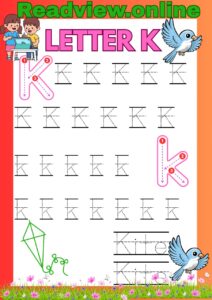
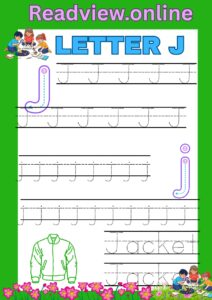
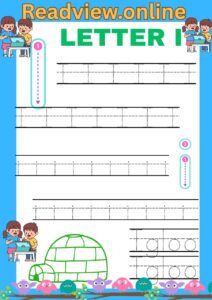
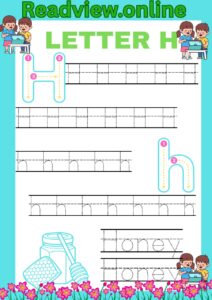
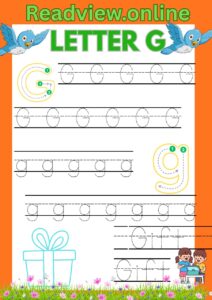
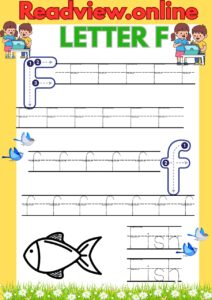
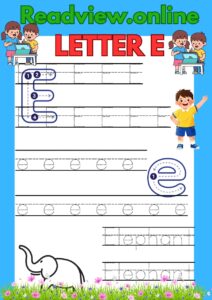
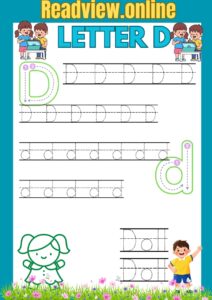
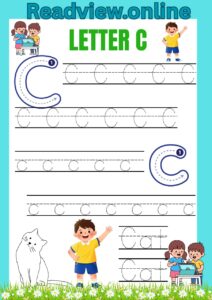
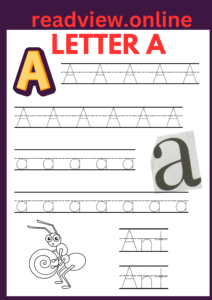
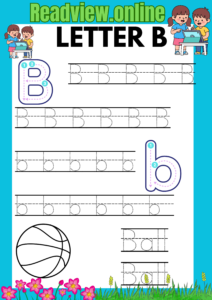
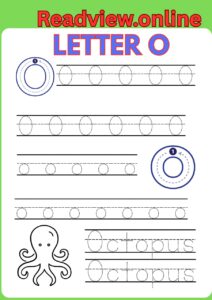
Activities with these words often involve reading aloud, tracing letters, writing words, and coloring associated pictures, which makes learning interactive and fun.
Activities for CVC Words
1. Reading Practice
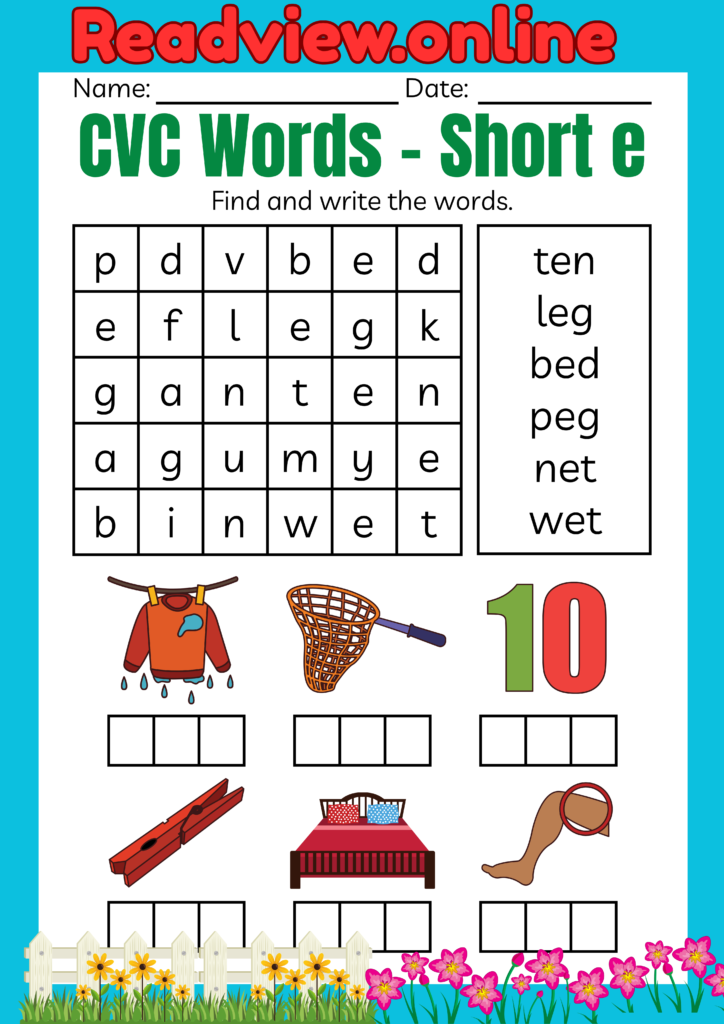
Children read simple words aloud while pointing to each letter. This helps them connect letter sounds with words.
2. Writing Exercises
Tracing and writing CVC words improve handwriting, letter recognition, and spelling skills.
3. Coloring Fun
Associate each CVC word with a picture, such as a cat, dog, or sun, and let children color it. This reinforces memory through visual learning.
4. Matching Games
Match a word to its corresponding picture. For example, connect “cat” to a picture of a cat. This improves word-picture association.
5. Phonics Challenges
Ask children to sound out the word slowly: /c/ /a/ /t/ = cat. This strengthens phonemic awareness.
Skills Developed Through CVC Words
-
Reading Fluency – Children begin reading short words confidently.
-
Phonics Awareness – Understanding how consonants and vowels combine.
-
Spelling and Writing – Writing words repeatedly improves spelling and fine motor skills.
-
Visual Learning – Associating pictures with words strengthens memory.
-
Cognitive Skills – Matching, tracing, and coloring exercises improve concentration and problem-solving.
How Parents and Teachers Can Use CVC Words
-
Daily Practice: Dedicate 5–10 minutes daily for CVC word activities.
-
Use Flashcards: Display CVC words with pictures for visual reinforcement.
-
Interactive Games: Play “find the word” or “match the picture” games to make learning fun.
-
Story Integration: Create mini-stories using CVC words to improve reading comprehension.
-
Positive Reinforcement: Praise children for effort and progress, not just accuracy.
Creative Ways to Make Learning CVC Words Fun
-
Let children color each word’s picture after reading.
-
Encourage children to write sentences using CVC words: “The cat is big.”
-
Use magnetic letters or tiles to form CVC words physically.
-
Turn reading into a game: “Can you find all words that rhyme with ‘cat’?”
-
Sing songs or rhymes with CVC words to enhance phonics retention.
Conclusion
CVC words are the building blocks of early literacy. They help children master phonics, reading, writing, and spelling in a simple and enjoyable way. By practicing CVC words with interactive, colorful, and playful activities, kids develop confidence, creativity, and a strong foundation for future reading success.
Integrating CVC word activities into daily learning makes education engaging, hands-on, and fun. Children not only learn to read and write but also enjoy the process, which nurtures a lifelong love for learning.