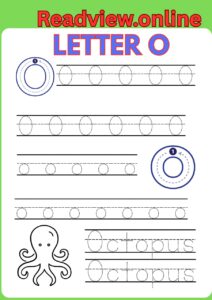
Learning Short O Vowels: Fun Phonics for Kids
Phonics is the foundation of reading and writing. One of the most important skills for early readers is recognizing short vowel sounds, like the short “O” sound in words such as “dog,” “pot,” and “top.”
Thank you for reading this post, don't forget to subscribe!By learning short O vowels through stories, games, and activities, children can read confidently and improve their spelling and pronunciation.
What Is the Short O Vowel?
-
The short O vowel makes the /ŏ/ sound.
-
Common examples: hop, box, top, dog, pot.
-
Short vowels are usually pronounced quickly and clearly in the middle of a word.
Recognizing these sounds helps children blend letters into words and read simple sentences easily.
Why Learning Short O Vowels Is Important
-
Reading Skills: Helps children decode words and read fluently.
-
Spelling Skills: Understand correct vowel usage in words.
-
Pronunciation: Teaches clear and correct sound recognition.
-
Confidence in Writing: Kids can write words with short O vowels independently.
-
Phonics Foundation: Prepares children for more complex vowel sounds and word patterns.
Fun Activities for Short O Vowels
1. Word Sorting
-
Prepare a list of words: hop, top, dog, pot, cat, pen
-
Ask children to sort words with the short O sound.
-
This helps them recognize patterns in spelling and pronunciation.
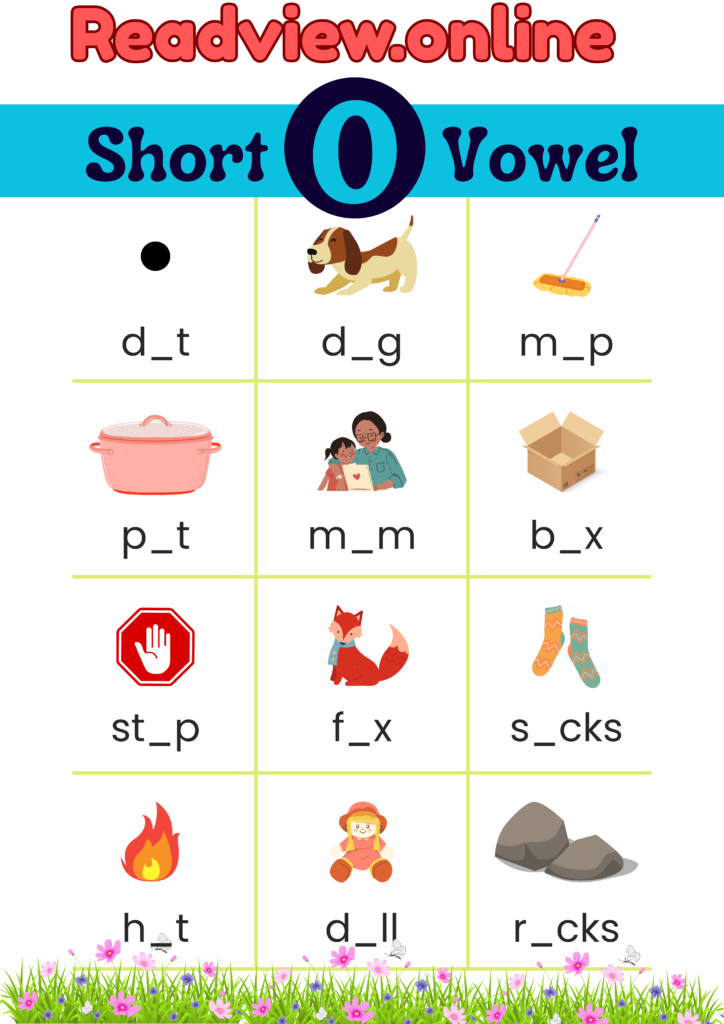
2. Missing Letter Game
-
Write: o (hop), o (dog), o (top)
-
Ask children to fill in the missing letter “o.”
-
Reinforces vowel recognition and spelling.
3. Short O Word Hunt
-
Look around the room or classroom for objects with short O sounds.
-
Examples: box, clock, pot
-
Fun way to connect phonics to the real world.
4. Story-Based Learning
-
Create a story using short O words:
“Tom the dog sat on the top of a pot. He saw a fox hop over a log.” -
Children read the story aloud, emphasizing short O words.
5. Coloring and Matching Worksheets
-
Match short O words to pictures: dog → 🐶, pot → 🍲, box → 📦
-
Encourages visual recognition and reinforces phonics.
Skills Developed Through Short O Vowel Activities
-
Reading Fluency: Recognize and pronounce words correctly.
-
Spelling Skills: Learn the correct letters for short O words.
-
Listening Skills: Identify short O sound in spoken words.
-
Vocabulary: Learn new words with short O sounds.
-
Confidence in Writing and Speaking: Kids can use these words independently.
Story Example: The Short O Adventure
Tom the dog loved to hop. One day, he found a big pot at the top of a hill.
-
He saw a fox jump over a log.
-
“Hop over the pot,” said Tom, and the fox obeyed.
-
They found a box full of toys and shared it happily.
Through this story, children can hear and identify short O words in context, making phonics learning fun and memorable.
Tips for Parents and Teachers
-
Read Aloud: Emphasize short O sounds while reading.
-
Use Visuals: Pictures of objects help link sound to word.
-
Repeat and Practice: Short daily exercises help retention.
-
Play Games: Matching, coloring, and word hunts keep learning engaging.
-
Praise Effort: Encourage attempts to build confidence in reading.
Conclusion
Learning short O vowels is essential for early reading and writing skills. By using interactive activities, stories, and games, children develop phonics skills, vocabulary, and confidence in a fun and engaging way.
With consistent practice, kids can read, spell, and pronounce short O words correctly, laying a strong foundation for all future literacy skills.