Reading Comprehension: Learn to Understand Stories
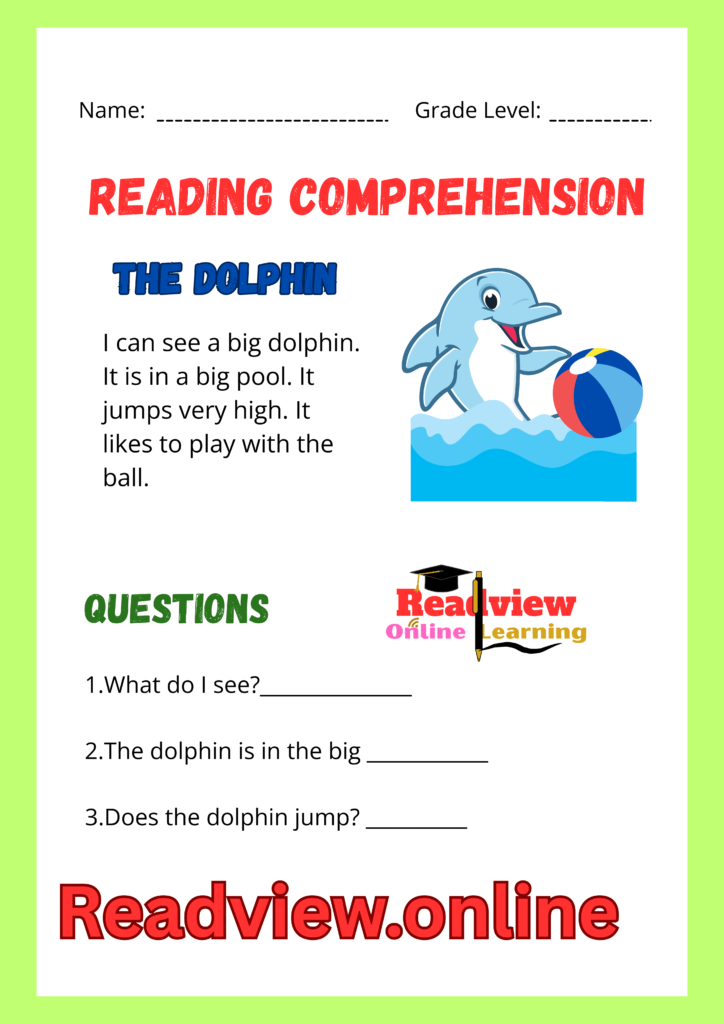
Reading comprehension means understanding what you read. It’s not just about reading words—it’s about understanding the story, learning new things, and answering questions.
Thank you for reading this post, don't forget to subscribe!Reading comprehension is an important skill for children. It helps them improve vocabulary, think critically, and enjoy reading.
This skill is perfect for kids’ books, worksheets, classrooms, and home learning activities.
What Is Reading Comprehension?
Reading comprehension means:
-
Reading a passage or story carefully
-
Understanding the main idea
-
Remembering details
-
Answering questions about the text
For example:
“Sara has a red ball. She plays with it in the garden every day.”
Question: What color is Sara’s ball?
Answer: Red
By answering questions, children learn to focus on important details in a story.
Why Reading Comprehension Is Important
-
Improves vocabulary: Children learn new words in context
-
Develops critical thinking: Understanding the story requires thinking
-
Boosts focus and concentration: Kids need to pay attention while reading
-
Enhances writing skills: Understanding stories helps with sentence formation
-
Builds confidence: Children feel proud when they answer questions correctly
Simple Reading Comprehension Examples
Example 1: Short Story
“Ali has three cats. He feeds them every morning. The cats like milk and fish.”
Questions:
-
How many cats does Ali have?
-
What do the cats like?
Answers:
-
Three
-
Milk and fish
Example 2: Short Story
“It is raining outside. Sara takes her umbrella. She wears her yellow raincoat.”
Questions:
-
What is Sara wearing?
-
What is the weather like?
Answers:
-
Yellow raincoat
-
Rainy
Fun Reading Comprehension Activities
1. Picture Story Reading
Show children pictures and ask them to describe the story in their own words.
2. Fill in the Blanks
Provide short passages with missing words and ask children to fill them in.
3. Match the Question to the Answer
Write questions and possible answers separately and ask children to match them correctly.
4. True or False
Ask children to read a passage and mark statements as true or false.
5. Story Retelling
Ask children to retell the story in their own words. This improves memory and comprehension.
Skills Developed Through Reading Comprehension
-
Vocabulary growth
-
Focus and attention
-
Memory and observation
-
Critical thinking
-
Storytelling and writing skills
Tips for Parents and Teachers
-
Start with short and simple passages
-
Read aloud with children and discuss the story
-
Encourage children to answer in full sentences
-
Use colorful pictures and interactive activities
-
Make reading fun and engaging, not stressful
Conclusion
Reading comprehension is a crucial skill that helps children understand, remember, and enjoy stories. By practicing with stories, pictures, and interactive questions, children build confidence, focus, and love for reading.
Reading comprehension is not only important for school but also for lifelong learning and curiosity.